Taking care of stainless steel jewelry is essential to maintain its appearance and ensure its longevity. Stainless steel is a popular choice for jewelry due to its durability, resistance to tarnishing, and sleek, modern look. However, even this tough metal requires proper care to avoid scratches, tarnishing, and other forms of wear and tear. In this article, we will discuss the best practices for cleaning, storing, and maintaining stainless steel jewelry. We’ll cover common problems, cleaning methods, and tips for restoring the shine to your pieces. Ready to keep your jewelry looking brand new? Let’s dive in.
1. Why is Caring for Stainless Steel Jewelry Important?
Proper care for stainless steel jewelry is essential not just for aesthetics but also for durability. Over time, exposure to elements like air, moisture, and harsh chemicals can cause jewelry to lose its shine or even tarnish. Regular care ensures that your jewelry maintains its lustrous finish and extends its lifespan. But here’s the kicker – good care doesn’t have to be time-consuming or complicated. With just a little bit of effort, you can protect your stainless steel pieces and keep them looking as good as new.
One of the most significant benefits of stainless steel jewelry is its resistance to rust and tarnish. However, it’s not immune to the elements. Dirt, sweat, and chemicals from lotions or perfumes can accumulate on the surface and cause minor discoloration. While stainless steel is durable, it still requires routine cleaning to maintain its shine and prevent unwanted buildup.
Another reason to care for your stainless steel jewelry is to avoid damage from improper storage. If you’re storing pieces carelessly, they may become scratched or misshapen. For example, stacking rings or throwing necklaces into a drawer can cause friction, leading to unwanted damage. Proper storage prevents such issues and ensures that your jewelry stays in good condition.
Lastly, jewelry care also helps you retain the investment you’ve made. High-quality stainless steel pieces can be quite costly, and proper maintenance helps preserve their value. Whether you are buying for personal use or selling pieces as a business, caring for your jewelry is vital.
| Key Benefits of Caring for Stainless Steel Jewelry |
|---|
| Extends jewelry lifespan |
| Maintains shiny appearance |
| Prevents tarnish and discoloration |
| Retains investment value |
| Protects against scratches and damage |
2. What Are the Common Problems with Stainless Steel Jewelry?
Stainless steel jewelry, while durable, can still face a few common issues over time. The most frequent problems include tarnishing, scratches, and a loss of shine. But what’s the real story behind these issues? Why do they happen, and how can you prevent them? Let’s break down these common problems so you know exactly what to watch out for.
One of the most common problems with stainless steel jewelry is tarnishing. While stainless steel is resistant to rust, exposure to chemicals, moisture, or even body oils can cause it to lose its shine and develop a dull, greyish film. This usually happens when jewelry is worn continuously without cleaning, allowing residue to build up on the surface. The good news is, tarnishing is easy to fix with the right cleaning tools and techniques. By cleaning your jewelry regularly, you can prevent tarnish from building up in the first place.
Scratches are another problem that often affects stainless steel jewelry. Even though stainless steel is tough, it’s not invulnerable to damage. Wearing jewelry during activities that involve friction, such as lifting weights or typing, can result in scratches. Similarly, storing your pieces in crowded jewelry boxes or tossing them into your bag can lead to scratches as well. To avoid this issue, always make sure to store your jewelry properly and remove it during physical activities.
Lastly, the loss of shine can occur over time as stainless steel jewelry comes into contact with dirt, oils, and other substances. When the shine diminishes, your pieces can look worn and less appealing. Regular cleaning, polishing, and careful storage can keep your jewelry gleaming. Ready for the good part? With a few simple steps, you can prevent or repair these common problems.
| Common Issues with Stainless Steel Jewelry |
|---|
| Tarnishing from exposure to chemicals |
| Scratches from friction or improper storage |
| Loss of shine from dirt and oils |
3. How to Clean Stainless Steel Jewelry Effectively?
When it comes to cleaning stainless steel jewelry, it’s crucial to choose the right methods and materials to avoid causing damage. So, what’s the best way to restore the shine to your jewelry? Let’s take a closer look at the most effective cleaning methods and tools to use.
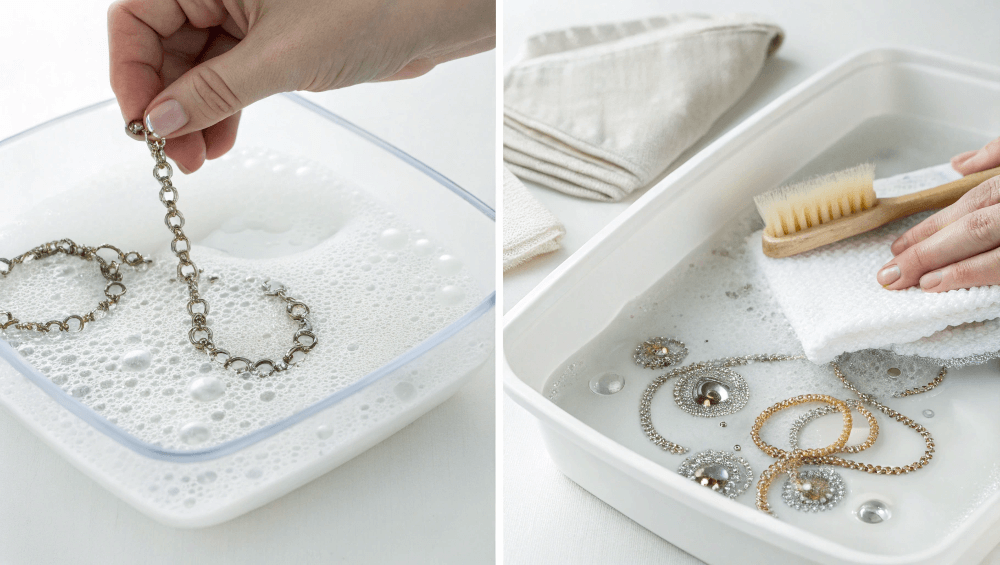
First, you can clean your stainless steel jewelry at home using simple household products. For example, a soft cloth and warm water mixed with mild dish soap are often all you need for a quick cleaning. Gently rub the jewelry with a soft cloth or sponge to remove dirt, oil, and grime. Make sure to avoid using harsh chemicals that can strip the metal of its natural luster. A toothbrush with soft bristles is also a great tool for cleaning detailed areas of the jewelry, like settings and intricate designs.
If your jewelry has more stubborn tarnish, you might need a stronger cleaning solution. For this, you can mix equal parts of vinegar and water and dip the jewelry into the solution for a few minutes. Once the tarnish loosens, use a soft cloth to wipe away the residue. You can also purchase specialized jewelry cleaners that are safe for stainless steel. These cleaners often contain polishing agents that help restore the shine and remove oxidation.
It’s important to dry the jewelry thoroughly after cleaning to prevent water spots. Use a microfiber cloth to dry the pieces and bring back their shine. Avoid leaving the jewelry damp or storing it while still wet. This can lead to tarnishing or rust, which we want to avoid.
| Cleaning Method | Description | Suitable For |
|---|---|---|
| Soap & Water | Mild dish soap and warm water | General cleaning |
| Vinegar Solution | Vinegar and water mix | Tarnish removal |
| Jewelry Cleaner | Store-bought cleaner | Polishing and shine restoration |
4. What Are the Best Practices for Storing Stainless Steel Jewelry?
Proper storage of stainless steel jewelry is just as important as regular cleaning. Ready for the good part? Storing your jewelry properly can prevent scratches, tarnish, and other forms of wear. Here are the best practices for keeping your stainless steel jewelry safe and secure.
First, always store your jewelry in a dry place. Moisture is one of the main contributors to tarnishing, and storing your jewelry in a humid environment can cause it to lose its shine. Avoid leaving jewelry in places like the bathroom where humidity levels are high. Instead, store your pieces in a jewelry box or drawer that is kept in a cool, dry location.
Next, make sure to store each piece separately. Storing multiple pieces together can lead to friction and scratching. Use soft pouches or individual compartments to keep your jewelry safe. If you don’t have a jewelry box with compartments, a simple fabric pouch will do the trick. What’s the real story? The better you store your jewelry, the longer it will retain its pristine condition.
Finally, avoid storing stainless steel jewelry in direct sunlight for long periods. Prolonged exposure to UV rays can cause discoloration or fading. If you’re storing jewelry in a display case, ensure it is kept out of direct sunlight to protect the metal’s finish.
| Best Jewelry Storage Practices |
|---|
| Keep jewelry in a dry place |
| Use separate compartments to avoid friction |
| Avoid direct sunlight to protect the finish |
5. How to Prevent Tarnishing in Stainless Steel Jewelry?
Tarnishing is a common issue that affects many types of metal, but it’s especially noticeable on stainless steel jewelry. But here’s the kicker: preventing tarnish is easier than you think. With a few simple steps, you can keep your jewelry looking shiny and fresh.
The first step is to keep your stainless steel jewelry dry. Moisture is the enemy when it comes to tarnishing, so always remove your jewelry before swimming, showering, or exercising. If your pieces get wet, dry them off immediately with a soft cloth. This will help prevent water spots and tarnishing from forming.
Another effective way to prevent tarnishing is to regularly clean and polish your jewelry. Regular maintenance removes buildup of oils, dirt, and other substances that can cause tarnishing. Use a microfiber cloth to polish your jewelry after each wear to keep it looking its best.
Additionally, consider using a protective coating or anti-tarnish cloth when storing your jewelry. These coatings create a barrier that helps prevent tarnish from developing over time. What’s the catch? These coatings are affordable and easy to use, making them a simple solution for preserving the look of your jewelry.
| Tarnish Prevention Tips |
|---|
| Keep jewelry dry and clean |
| Polish regularly with a microfiber cloth |
| Use anti-tarnish cloths or coatings for storage |
6. What Are the Dos and Don’ts of Wearing Stainless Steel Jewelry?
When it comes to wearing stainless steel jewelry, there are certain dos and don’ts you need to follow to ensure that your pieces stay looking their best. So, what’s the real story here? Here’s a breakdown of what to keep in mind when wearing your stainless steel jewelry.
Do:
- Remove jewelry before engaging in physical activities: While stainless steel is durable, it’s still prone to scratches and dents when exposed to rough surfaces or vigorous activities. It’s a good idea to remove rings, bracelets, and necklaces before working out, cleaning, or participating in sports. This prevents damage from friction or impact.
- Keep jewelry clean: Regularly cleaning your jewelry is essential to maintain its shine and prevent buildup of oils, dirt, and sweat. Wipe your pieces with a soft cloth after each wear to keep them free of contaminants that could tarnish the metal.
- Store jewelry separately: Always store your stainless steel jewelry separately to avoid scratches caused by contact with other items. Use individual compartments, fabric pouches, or jewelry boxes to protect your pieces when you’re not wearing them.
Don’t:
- Wear jewelry while swimming: Whether you’re swimming in a pool or the ocean, remove your stainless steel jewelry before getting in the water. Chlorine and saltwater can lead to tarnishing or cause your jewelry to lose its shine over time.
- Expose jewelry to harsh chemicals: Stainless steel may be resistant to rust, but chemicals such as bleach, ammonia, and household cleaning products can cause discoloration. Always remove your jewelry when handling such substances.
By following these simple dos and don’ts, you’ll ensure that your stainless steel jewelry remains in top condition for years to come. Ready for the good part? Following these practices will help you keep your pieces looking fresh and new with minimal effort.
| Dos and Don’ts of Wearing Stainless Steel Jewelry |
|---|
| Do: Remove before physical activity |
| Do: Clean jewelry regularly |
| Do: Store pieces separately |
| Don’t: Wear while swimming |
| Don’t: Expose to harsh chemicals |
7. How Can I Remove Scratches from Stainless Steel Jewelry?
Scratches can be a common issue with stainless steel jewelry, especially if the pieces are worn frequently. But here’s the kicker – while stainless steel is highly resistant to scratches, you can still remove them with a few simple techniques. Let’s dive into the methods for restoring your jewelry to its former glory.
Method 1: Polishing with a Jewelry Cloth
The easiest and safest way to remove minor scratches is by using a jewelry polishing cloth. These cloths are specifically designed for stainless steel and are gentle enough to avoid causing further damage. Simply rub the cloth over the scratched area in a circular motion to buff out the marks.
Method 2: Using a Mild Abrasive
For deeper scratches, you can use a mild abrasive, such as a polishing paste or a fine-grade sandpaper. Start by applying a small amount of paste to a soft cloth and gently buff the scratched area. If you’re using sandpaper, go with a very fine grit (around 600 or higher) to avoid damaging the metal further. What’s the catch? Always use a light touch to ensure you don’t make the problem worse.
Method 3: Professional Polishing
For more significant scratches or damage, it may be best to seek professional help. Jewelers have specialized tools and techniques that can effectively remove deeper scratches while restoring the shine and finish of your jewelry. While this option may cost more, it’s the most reliable way to restore your jewelry to pristine condition.
| Scratch Removal Methods |
|---|
| Polishing with a jewelry cloth |
| Using a mild abrasive or polishing paste |
| Professional polishing services |
8. What Are the Best Cleaning Products for Stainless Steel Jewelry?
Cleaning stainless steel jewelry is straightforward, but it’s important to use the right products to avoid damage. Let’s take a closer look at some of the best cleaning products available, so you can keep your jewelry in pristine condition. Ready for the good part? With the right tools, cleaning your jewelry can be quick and easy.
1. Jewelry Cleaning Cloths
One of the best products for cleaning stainless steel jewelry is a jewelry cleaning cloth. These cloths are treated with special cleaning agents that safely clean and polish the metal. They are convenient, portable, and can be used to wipe down jewelry after each wear to maintain its shine.
2. Stainless Steel Cleaner
For more stubborn tarnish or dirt, you can use a specialized stainless steel cleaner. These cleaners are formulated to remove oxidation and restore the shine to your jewelry without damaging the metal. Look for products that are free of harsh chemicals, as these can cause discoloration.
3. Homemade Cleaning Solutions
If you prefer a more DIY approach, you can create your own cleaning solution using items you already have at home. Mix warm water with a few drops of mild dish soap and soak your jewelry for a few minutes. Gently scrub with a soft cloth to remove dirt and grime.
| Best Cleaning Products for Stainless Steel Jewelry |
|---|
| Jewelry cleaning cloths |
| Stainless steel cleaners |
| DIY cleaning solution (soap and water) |
9. How Can I Restore the Shine of My Stainless Steel Jewelry?
Over time, your stainless steel jewelry may start to lose its shine due to exposure to oils, dirt, and other elements. So, what’s the real story behind restoring that brilliant luster? Fortunately, there are several ways to bring back the shine to your pieces.
1. Regular Polishing
One of the most effective methods for restoring shine is regular polishing. Use a jewelry polishing cloth to buff your jewelry after each wear. The cloth will help remove residue and restore the jewelry’s shine. It’s quick, easy, and keeps your pieces looking brand new.
2. Vinegar Soak
For more persistent tarnish or dullness, soak your jewelry in a mixture of vinegar and water. The acidic properties of vinegar help break down the grime and tarnish on the surface of the stainless steel. After soaking for a few minutes, use a soft cloth to wipe down the jewelry and bring back its shine.
3. Commercial Jewelry Cleaner
If regular cleaning doesn’t do the trick, you may want to invest in a commercial jewelry cleaner. These cleaners are designed to restore shine, remove tarnish, and bring your stainless steel jewelry back to its original gleam. Just follow the instructions on the product to ensure safe use.
| Methods to Restore Shine |
|---|
| Regular polishing with a cloth |
| Vinegar soak for tarnish removal |
| Commercial jewelry cleaner |
10. How Do I Care for Stainless Steel Jewelry with Stones or Inlays?
Stainless steel jewelry often features inlays or stones that require extra care. What’s the catch? While the metal itself is durable, the stones or inlays may need special attention to maintain their integrity. Let’s take a look at the best ways to care for this type of jewelry.
1. Clean the Metal and Stones Separately
When cleaning jewelry with stones or inlays, it’s important to clean the metal and the stones separately. Stones such as gemstones or diamonds can be sensitive to harsh cleaning methods, so be gentle. Use a soft cloth or brush to clean the stones, avoiding abrasive materials that could scratch them.
2. Avoid Chemical Exposure
Chemicals from cleaning products or perfumes can cause stones to lose their luster or even damage them. Always remove jewelry with stones before using cleaning products or applying perfume. Be extra cautious around chlorine or saltwater, which can cause irreparable damage to both the metal and the stones.
3. Store Jewelry with Stones Carefully
When storing stainless steel jewelry with inlays or stones, keep them in soft, individual pouches or compartments. This prevents the stones from being scratched or damaged by contact with other pieces of jewelry. What’s the real story? Proper storage is key to preserving the integrity of your jewelry.
| Care Tips for Jewelry with Stones |
|---|
| Clean metal and stones separately |
| Avoid chemical exposure |
| Store jewelry carefully in soft pouches |
11. How Does Environmental Exposure Affect Stainless Steel Jewelry?
Stainless steel jewelry is resistant to corrosion, but that doesn’t mean it’s immune to environmental factors. Ready for the good part? You can protect your jewelry from the elements with a little bit of care. Let’s explore how different environmental factors affect your stainless steel jewelry.
1. Saltwater Exposure
Saltwater can cause tarnishing on stainless steel over time. If you’re planning to go swimming or engage in water sports, remove your jewelry to prevent contact with saltwater. Rinse your pieces with fresh water afterward and dry them thoroughly to avoid damage.
2. Chlorine Exposure
Chlorine, often found in pools, can be harsh on stainless steel. Prolonged exposure to chlorine can cause the metal to lose its shine and develop discoloration. It’s best to remove jewelry before entering a pool or hot tub to keep it looking its best.
3. Sweat and Body Oils
Body oils and sweat can accumulate on stainless steel jewelry, leading to tarnish or dullness. Make sure to clean your jewelry after wearing it, especially after exercise or hot weather when sweat production is high.
| Environmental Factors Affecting Stainless Steel Jewelry |
|---|
| Saltwater tarnishing |
| Chlorine exposure causing discoloration |
| Sweat and body oils leading to dullness |
12. Can I Use Jewelry Cleaning Machines on Stainless Steel Jewelry?
While cleaning machines are a convenient option for many types of jewelry, their use on stainless steel jewelry can be a bit more nuanced. So, what’s the real story here? Can you safely use these machines on your stainless steel pieces, or is it better to stick with manual cleaning methods? Let’s explore.
1. Ultrasonic Cleaners
Ultrasonic cleaners are effective for cleaning jewelry, including stainless steel, by using high-frequency sound waves to create vibrations that remove dirt and grime. While ultrasonic cleaners can be used for stainless steel, it’s essential to be cautious. For jewelry with stones or intricate details, the vibrations may damage the settings or loosen the stones. Always check manufacturer instructions and ensure that your jewelry is safe for ultrasonic cleaning before using this method.
2. Steam Cleaners
Steam cleaners are another option for cleaning stainless steel jewelry. These machines use high-pressure steam to remove dirt and contaminants from the surface of the jewelry. They are generally safe for stainless steel but should be used with caution. If your jewelry has inlays or stones, steam can cause damage, so it’s better to clean those pieces manually. For plain stainless steel, steam cleaners are highly effective and quick.
3. Manual Cleaning vs. Machines
While jewelry cleaning machines can save time, manual cleaning with a cloth or gentle cleaning solution is always the safest option, especially for delicate pieces. Jewelry cleaning machines can be used for routine maintenance, but for intricate jewelry or valuable pieces, manual cleaning offers greater control and reduces the risk of damage.
| Jewelry Cleaning Machine Options |
|---|
| Ultrasonic cleaners (for basic stainless steel pieces) |
| Steam cleaners (effective but avoid with stones) |
| Manual cleaning (preferred for intricate designs) |
13. How Can I Tell If My Stainless Steel Jewelry Needs Professional Care?
While regular cleaning and maintenance can go a long way in preserving the condition of your stainless steel jewelry, there are times when it might need professional attention. What’s the real story? How can you tell when it’s time to seek professional help? Let’s take a look.
1. Severe Tarnishing or Discoloration
If your jewelry has become heavily tarnished or discolored despite regular cleaning, it might be time to take it to a professional. Jewelers have access to specialized tools and cleaners that can restore the original shine and remove deep tarnishing that home cleaning methods cannot address.
2. Significant Scratches or Dents
Small scratches are easy to polish out at home, but if your stainless steel jewelry has large scratches or dents, professional help may be necessary. Jewelers can buff out deep scratches and restore the surface to its original smoothness. They can also repair any structural damage that might have occurred.
3. Stone Settings or Inlays That Need Repair
If your stainless steel jewelry features stones or inlays that have become loose or damaged, a professional jeweler will be able to reset the stones or replace them entirely. Attempting this yourself could cause further damage, so it’s better to leave it to an expert.
By keeping an eye on these signs and seeking professional help when needed, you can ensure that your stainless steel jewelry stays in excellent condition for years to come.
| When to Seek Professional Jewelry Care |
|---|
| Severe tarnishing or discoloration |
| Significant scratches or dents |
| Loose or damaged stones/inlays |
14. How Can I Maintain Stainless Steel Jewelry During Travel?
When you’re on the go, keeping your stainless steel jewelry safe and well-maintained can be a challenge. What’s the catch here? Traveling with jewelry requires some extra care to prevent damage or loss. Let’s explore the best practices for maintaining your stainless steel jewelry during travel.
1. Pack Jewelry Separately
Always store your stainless steel jewelry separately when traveling. Use small pouches or travel jewelry organizers to keep each piece safe and secure. Avoid throwing your jewelry into the bottom of your bag, as this can lead to scratches or tangling.
2. Avoid Extreme Conditions
When traveling, avoid exposing your jewelry to extreme temperatures or environmental conditions. This includes hot climates, where the metal can become hot to the touch and cause discomfort, or cold climates, which can cause metal to become brittle. If you’re traveling to a beach or poolside location, remember to remove your jewelry to prevent it from coming into contact with saltwater or chlorine.
3. Clean Jewelry After Traveling
After your trip, give your stainless steel jewelry a good cleaning to remove any dirt, oils, or grime that might have accumulated. If you’ve been on an outdoor adventure or had your jewelry exposed to harsh conditions, it’s even more important to clean it thoroughly to maintain its shine and durability.
By following these travel tips, you can keep your stainless steel jewelry safe, clean, and in great condition while on the go.
| Travel Maintenance Tips for Stainless Steel Jewelry |
|---|
| Pack jewelry separately in pouches or organizers |
| Avoid extreme temperatures and environmental conditions |
| Clean jewelry thoroughly after traveling |
15. What Should I Know About the Durability of Stainless Steel Jewelry?
Stainless steel jewelry is well-known for its durability, but how durable is it really? Can you expect it to last forever? Let’s take a closer look at the true durability of stainless steel jewelry, and how you can make sure your pieces stand the test of time.
1. Durability Compared to Other Metals
Stainless steel is incredibly durable and resistant to damage compared to other metals like silver, gold, or copper. Unlike these softer metals, stainless steel doesn’t tarnish easily and resists scratches and dents. It’s also highly resistant to rust, making it an excellent choice for people who want long-lasting jewelry.
2. Factors Affecting Durability
While stainless steel is tough, its durability can be compromised if it’s exposed to harsh chemicals, extreme temperatures, or excessive friction. Regular cleaning and proper storage are essential to maintaining its strength and appearance. Over time, minor wear may occur, but with the right care, your stainless steel jewelry can last for many years.
3. Longevity of Stainless Steel Jewelry
Stainless steel jewelry is built to last, and with proper care, it can stay looking great for decades. The metal’s resistance to tarnishing, rusting, and scratching makes it one of the most durable choices for jewelry. As long as you avoid extreme damage, your stainless steel pieces can last a lifetime.
By understanding the durability of stainless steel jewelry, you can make informed decisions about how to care for it and ensure its longevity. Ready for the good part? With the proper care, your stainless steel jewelry can remain in excellent condition for years.
| Durability Comparison: Stainless Steel vs Other Metals |
|---|
| Resistant to tarnish, rust, and scratches |
| More durable than gold, silver, or copper |
| With proper care, lasts a lifetime |
FAQ Section
Q1: What is stainless steel jewelry?
Stainless steel jewelry is made from an alloy of steel that includes chromium, making it resistant to tarnish, rust, and corrosion. It is durable and has a sleek, modern look.
Q2: How does stainless steel jewelry maintain its shine?
Stainless steel jewelry maintains its shine through regular cleaning and proper care. Avoiding exposure to harsh chemicals and polishing the jewelry after each use helps retain its lustrous finish.
Q3: Can I wear stainless steel jewelry in the shower?
While stainless steel is resistant to water, it’s best to avoid prolonged exposure to water and moisture. It’s advisable to remove jewelry before showering to prevent tarnishing and maintain its shine.
Q4: How often should I clean my stainless steel jewelry?
It’s recommended to clean stainless steel jewelry every 1-2 months, or more frequently if it comes into contact with dirt, sweat, or chemicals.
Q5: Can I fix scratches on my stainless steel jewelry myself?
Minor scratches can often be polished out using a jewelry polishing cloth. However, deeper scratches may require professional restoration to fully repair.