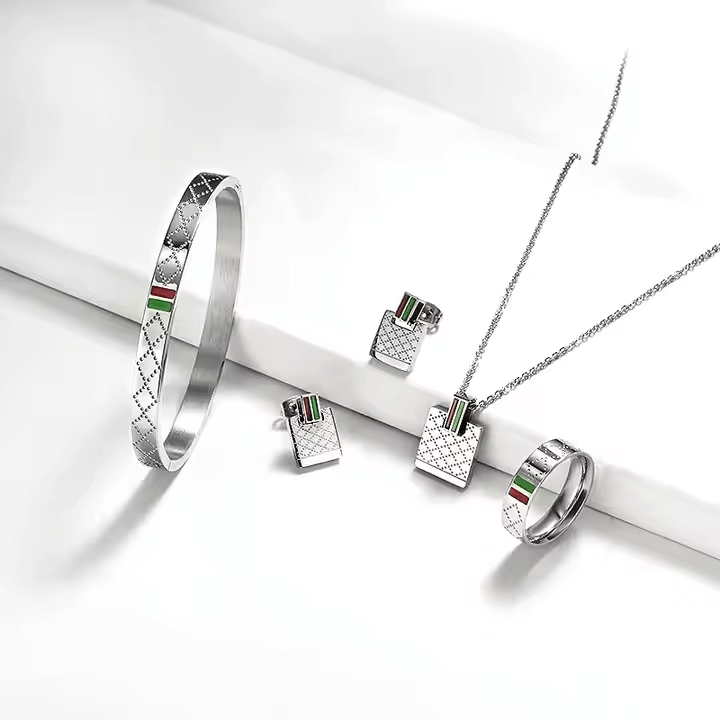
Wholesale stainless steel jewelry has become a popular choice for many businesses due to its durability, affordability, and versatility. However, the market is flooded with a variety of options, and not all stainless steel jewelry is created equal. For wholesalers, ensuring the quality of the jewelry is paramount to maintaining customer satisfaction and protecting your brand’s reputation. This guide will walk you through the essential steps to verify the quality of stainless steel jewelry before making wholesale purchases, helping you make informed decisions that will benefit your business in the long run.

Why Choose Stainless Steel Jewelry?
Stainless steel jewelry is a preferred alternative to traditional precious metals like gold and silver, especially in wholesale markets. Its unique properties make it an excellent choice for a wide range of jewelry products, from rings and bracelets to necklaces and earrings. Understanding why stainless steel is an attractive option will help you appreciate the importance of verifying its quality before purchasing in bulk.
Durability and Longevity
One of the primary reasons stainless steel jewelry is so popular is its remarkable durability. Unlike other metals, stainless steel is resistant to tarnishing, corrosion, and scratching, which makes it ideal for daily wear. This durability translates into a longer lifespan for the jewelry, meaning customers can enjoy their pieces for years without worrying about them losing their luster or structural integrity. For wholesalers, this durability is a significant selling point, as it ensures that the products you offer will maintain their appearance and function over time, leading to satisfied customers and repeat business.
Hypoallergenic Properties
Another critical advantage of stainless steel jewelry is its hypoallergenic nature. Many people have sensitive skin that reacts negatively to certain metals, such as nickel or copper, commonly found in lower-quality jewelry. Stainless steel, particularly surgical-grade types like 316L, is designed to minimize these reactions, making it suitable for people with sensitive skin. When buying wholesale, it’s essential to verify that the stainless steel jewelry you’re considering is hypoallergenic, as this will appeal to a broader range of customers and reduce the likelihood of returns due to allergic reactions.
Affordability
In addition to its durability and hypoallergenic properties, stainless steel is significantly more affordable than precious metals like gold and silver. This affordability makes it an attractive option for wholesalers who want to offer high-quality jewelry at competitive prices. By purchasing stainless steel jewelry in bulk, you can take advantage of even lower costs, allowing you to pass on savings to your customers while maintaining healthy profit margins. However, it’s crucial to ensure that the lower price does not come at the expense of quality, which is why verifying the jewelry’s quality before purchasing is so important.
Versatility in Design
Stainless steel is a highly versatile material that can be crafted into a wide range of designs, from simple and minimalist to intricate and ornate. Its ability to take on various finishes, such as mirror polish or matte, allows for a diverse product line that can appeal to different customer tastes and preferences. This versatility is particularly beneficial for wholesalers, as it enables you to offer a broad selection of styles that can cater to various market segments. Whether you’re targeting fashion-forward individuals or those who prefer classic designs, stainless steel jewelry can meet those needs.
Eco-Friendly and Growing Popularity
As sustainability becomes a more significant concern for consumers, stainless steel jewelry is gaining popularity due to its eco-friendly nature. Stainless steel is 100% recyclable, meaning that old pieces can be melted down and reused without losing their integrity. This sustainability aspect appeals to environmentally conscious customers and can be a key selling point in your marketing efforts. Additionally, the growing popularity of stainless steel jewelry means that demand is on the rise, making it a smart investment for wholesalers looking to expand their product offerings.
In summary, stainless steel jewelry offers a unique combination of durability, hypoallergenic properties, affordability, versatility, and eco-friendliness that makes it an excellent choice for wholesale purchasing. However, to ensure that you are offering your customers the best possible products, it is crucial to verify the quality of the stainless steel jewelry before making any large-scale purchases. The following sections will guide you through the specific factors to consider when evaluating the quality of stainless steel jewelry.
What to Look for When Buying Stainless Steel Jewelry
When purchasing wholesale stainless steel jewelry, it’s crucial to know what to look for to ensure you’re getting high-quality pieces. Various factors such as the type of stainless steel, the quality of craftsmanship, and the overall comfort and durability of the jewelry can greatly affect your customers’ satisfaction. This section will guide you through the key aspects to consider before making a wholesale purchase.
Types of Stainless Steel
The type of stainless steel used in jewelry is a primary determinant of its quality and durability. Stainless steel is available in different grades, each with specific properties that affect the jewelry’s performance and appeal.
- 304 Stainless Steel: This is one of the most commonly used stainless steels, known for its good corrosion resistance and affordability. It’s widely used in both industrial applications and jewelry. However, it contains higher levels of nickel compared to other grades, which can be problematic for those with nickel allergies.
- 316 Stainless Steel: Also known as surgical steel, 316 is a superior grade commonly used in high-quality jewelry. It has enhanced corrosion resistance, especially in chloride environments, making it ideal for pieces that will be worn in harsh conditions or near the ocean. This grade is often preferred for its hypoallergenic properties, making it suitable for people with sensitive skin.
- 316L and 316LVM Stainless Steel: These are variants of 316 stainless steel. The “L” stands for “low carbon,” which increases the material’s resistance to corrosion after welding. 316LVM is vacuum-melted, which removes impurities, making it the highest quality stainless steel available for jewelry. Jewelry made from 316L or 316LVM is exceptionally durable and hypoallergenic, providing the best balance between cost and quality.
When choosing wholesale stainless steel jewelry, it’s advisable to opt for pieces made from 316L or 316LVM, especially if your target market includes customers with sensitive skin or those who demand high durability from their jewelry.
Quality Indicators
Identifying quality indicators in stainless steel jewelry is essential to ensure you’re purchasing pieces that meet high standards. Here are some key aspects to examine:
- Hypoallergenic Properties: As mentioned earlier, hypoallergenic stainless steel is crucial for customers with sensitive skin. To confirm that the jewelry is hypoallergenic, check the materials used in the alloy. Lower-grade stainless steels often contain higher nickel content, which can cause allergic reactions. Ensure that the jewelry is marketed as hypoallergenic, particularly if it’s made from 316L or 316LVM steel.
- Certification: One of the most reliable ways to verify the quality of stainless steel jewelry is by checking for certifications. Look for jewelry that comes with certifications from recognized bodies, such as ISO (International Organization for Standardization) or ASTM (American Society for Testing and Materials). These certifications indicate that the jewelry has been tested and meets specific quality standards, providing assurance that you’re purchasing high-grade products.
- Magnetic Test: A simple way to check the quality of stainless steel jewelry is to perform a magnetic test. High-quality stainless steel, particularly austenitic grades like 304 and 316, is generally non-magnetic. If the jewelry is strongly attracted to a magnet, it may indicate the presence of lower-grade stainless steel or other metals. However, a slight magnetic response is normal in certain circumstances due to the manufacturing process, but a strong attraction should raise concerns about the quality.
Size and Fit
Accurate sizing is critical when purchasing wholesale stainless steel jewelry. Ill-fitting jewelry can lead to customer dissatisfaction and increased returns, which can negatively impact your business.
- Sizing Considerations: Ensure that the jewelry is available in a range of sizes to accommodate different customers. Rings, for example, should be offered in various sizes to fit a broad audience. For bracelets and necklaces, check the length options available. Providing a detailed size guide or measuring instructions can help customers choose the correct size, reducing the likelihood of returns.
- Comfort and Wearability: Comfort is just as important as size. Stainless steel jewelry should be comfortable to wear, with no rough edges or components that can cause irritation. Pay attention to the finishing details, such as the smoothness of the metal and the quality of the polish. Jewelry that is uncomfortable to wear, despite being stylish, will likely lead to customer complaints and lost sales.
Design and Craftsmanship
The design and craftsmanship of stainless steel jewelry are crucial indicators of its overall quality. Well-crafted jewelry not only looks better but also lasts longer, providing better value for your investment.
- Functional Design Elements: Evaluate the functionality of the jewelry, such as the clasps, hinges, and other moving parts. High-quality stainless steel jewelry should have secure, well-designed clasps that are easy to operate but strong enough to prevent accidental opening. Hinges and joints should move smoothly without any stiffness or looseness, indicating precision engineering.
- Surface Finish: The surface finish of stainless steel jewelry can vary from high-polish mirror finishes to matte or brushed looks. While the finish is often a matter of personal preference, it should be consistent and free from blemishes or imperfections. Inconsistencies in the finish, such as blotches, scratches, or uneven polish, can indicate poor craftsmanship and lower quality.
- Detailing: High-quality stainless steel jewelry often features intricate detailing, such as engravings, patterns, or inset stones. These details should be sharp and well-defined, with no signs of blurring or rough edges. Poor detailing can detract from the overall appearance of the jewelry and may indicate that corners were cut during the manufacturing process.
Cost vs. Quality
When purchasing wholesale stainless steel jewelry, it’s essential to balance cost and quality. While stainless steel jewelry is generally more affordable than other metals, it’s crucial not to compromise on quality for the sake of saving money.
- Price-Quality Ratio: The cheapest option is not always the best. Jewelry that is priced significantly lower than similar products on the market may be of inferior quality, made from lower-grade stainless steel, or lack proper finishing. On the other hand, excessively high prices do not necessarily guarantee better quality. It’s important to find a supplier who offers a fair price for high-quality products. Conducting market research to compare prices and quality across different suppliers can help you find the best deals without compromising on quality.
In conclusion, knowing what to look for when buying wholesale stainless steel jewelry is key to ensuring that you purchase high-quality pieces that will meet your customers’ expectations. By focusing on the type of stainless steel, checking for quality indicators, ensuring proper sizing and comfort, and evaluating design and craftsmanship, you can confidently make wholesale purchases that will enhance your product offerings and satisfy your customers.
How to Verify the Quality of Stainless Steel Jewelry
Verifying the quality of stainless steel jewelry is an essential step before making any wholesale purchases. Even if the jewelry appears to meet your standards on the surface, conducting a thorough evaluation can save you from costly mistakes down the line. This section will outline several methods for assessing the quality of stainless steel jewelry, ensuring that you receive products that meet your expectations.
Grade Identification
The grade of stainless steel used in jewelry significantly impacts its quality, durability, and hypoallergenic properties. As mentioned earlier, common grades include 304, 316, 316L, and 316LVM. Each grade has specific characteristics that affect the jewelry’s performance, especially regarding corrosion resistance and skin sensitivity.
- Markings and Labels: Some manufacturers mark their jewelry with grade numbers, such as “316L” or “304,” to indicate the type of stainless steel used. These markings are usually found on the inside of rings or the back of pendants. While these markings can provide initial assurance, it’s important to verify them through additional testing, as they can sometimes be misleading.
- Testing Methods: If the jewelry isn’t marked or if you want to verify the accuracy of the markings, consider using a stainless steel test kit. These kits typically include chemicals that react with the metal, allowing you to determine the grade based on the reaction. Another method is to use an XRF (X-ray fluorescence) analyzer, which can provide a detailed composition of the metal. While XRF analyzers are more expensive and typically used in industrial settings, they offer the most accurate results.
Nickel Content Check
Nickel is a common allergen found in lower-quality stainless steel, and its presence can lead to skin irritation for those with nickel allergies. Ensuring that the jewelry is nickel-free or has a very low nickel content is crucial, especially if you plan to sell to customers with sensitive skin.
- Nickel Testing Kits: One of the most reliable ways to check for nickel content in stainless steel jewelry is by using a nickel testing kit. These kits typically include a solution that, when applied to the jewelry, will change color if nickel is present. Testing a small, inconspicuous area of the jewelry will give you a good indication of whether the product is safe for customers with nickel allergies.
- Supplier Assurance: In addition to performing your own tests, it’s important to obtain assurances from your supplier regarding the nickel content of the jewelry. Requesting documentation or certificates that confirm the jewelry meets hypoallergenic standards can provide additional peace of mind.
Scratch and Rust Resistance
Stainless steel is known for its resistance to scratches and rust, but not all stainless steel jewelry is created equal. Testing for these properties can help you determine whether the jewelry is truly of high quality.
- Scratch Test: To assess the scratch resistance of stainless steel jewelry, you can perform a simple scratch test. Use a tool with a similar hardness, such as a stainless steel key or a coin, and gently try to scratch the surface of the jewelry. High-quality stainless steel should resist scratching, while lower-quality steel may show visible marks. Keep in mind that this test should be done carefully to avoid damaging the piece, especially if it’s a sample.
- Rust Resistance Test: To test for rust resistance, expose the jewelry to water or humidity for an extended period. You can simulate this by wrapping the jewelry in a damp cloth and leaving it in a warm environment for several hours. Afterward, inspect the piece for any signs of rust or discoloration. High-quality stainless steel should remain unaffected, while lower-quality pieces may start to show rust spots or tarnishing.
Weight and Density
The weight and density of stainless steel jewelry can also provide clues about its quality. Stainless steel is a relatively dense metal, and its weight can indicate whether the jewelry is made from solid steel or if it’s hollow or filled with other materials.
- Comparing Weights: If you have multiple pieces of stainless steel jewelry, compare their weights. Heavier pieces are often made from solid stainless steel, which is typically of higher quality. Lighter pieces may be hollow or made with a mix of metals, which can affect durability and overall quality.
- Density Calculation: For a more precise evaluation, you can calculate the density of the jewelry by measuring its weight and volume, then dividing the weight by the volume. The density of stainless steel is typically around 7.8 grams per cubic centimeter. If your calculations yield a significantly lower density, it may indicate that the jewelry is not made entirely of stainless steel or contains impurities.
Visual Inspection Techniques
A thorough visual inspection is one of the most straightforward ways to assess the quality of stainless steel jewelry. By carefully examining the piece, you can identify signs of poor craftsmanship or inferior materials.
- Surface Finish: The finish of the jewelry should be consistent and free from blemishes. Whether the piece has a high-polish mirror finish or a matte look, the surface should be smooth, with no visible scratches, blotches, or uneven areas. Any irregularities in the finish can indicate poor manufacturing practices and lower overall quality.
- Detailing and Craftsmanship: Examine the fine details of the jewelry, such as engravings, patterns, or inset stones. These details should be sharp and well-executed, with no signs of blurring or rough edges. Inset stones should be securely set, with no gaps or unevenness in the setting. Poorly executed detailing is often a sign of rushed or low-quality manufacturing.
Durability Testing
To ensure that stainless steel jewelry will stand up to regular use, it’s important to test its durability. Simple at-home tests can help you determine whether the jewelry is built to last.
- Bend Test: The bend test involves gently bending the jewelry to check its flexibility and strength. For example, you can try bending a ring or bracelet slightly to see how it responds. High-quality stainless steel should be flexible enough to bend without breaking or deforming but should also return to its original shape. Jewelry that breaks, cracks, or permanently deforms during this test is likely of inferior quality.
- Clasp and Joint Examination: Clasps, hinges, and joints are the most vulnerable parts of any piece of jewelry, as they experience the most wear and tear. Test these components by opening and closing clasps, bending hinges, and examining any movable joints. High-quality components should operate smoothly without stiffness or looseness, and there should be no signs of wear or damage after repeated use.
- Water and Sweat Resistance: To test how the jewelry holds up under conditions that mimic daily wear, expose it to water and sweat. You can do this by wearing the jewelry during physical activities or leaving it in a damp environment. Afterward, inspect the piece for signs of rust, discoloration, or degradation. High-quality stainless steel should remain unaffected by moisture, while lower-quality pieces may start to show signs of corrosion.
In conclusion, verifying the quality of wholesale stainless steel jewelry is a multi-step process that involves checking the grade of stainless steel, testing for nickel content, assessing scratch and rust resistance, and performing durability tests. By taking the time to thoroughly evaluate each piece, you can ensure that you’re purchasing high-quality jewelry that will meet your customers’ expectations and stand the test of time.
Sourcing Stainless Steel Jewelry Wholesale
Finding the right supplier is crucial when purchasing wholesale stainless steel jewelry. A reliable supplier will provide high-quality products consistently, which is essential for building and maintaining a successful jewelry business. This section will guide you through the process of sourcing stainless steel jewelry from reputable suppliers, ensuring that you make informed decisions that benefit your business.
Finding Reliable Suppliers
The first step in sourcing wholesale stainless steel jewelry is identifying reliable suppliers. There are several avenues you can explore to find potential suppliers, each with its own set of advantages and challenges.
- Online Directories: Online directories like Alibaba, Global Sources, and ThomasNet are popular platforms for finding wholesale jewelry suppliers. These directories allow you to search for suppliers by product type, region, and other criteria. While these platforms offer convenience and a wide range of options, it’s important to thoroughly vet any supplier you find online. Look for suppliers with positive reviews, a long track record, and detailed product descriptions.
- Trade Shows: Attending trade shows is an excellent way to find reliable suppliers in person. Trade shows allow you to see the products firsthand, ask questions, and build relationships with potential suppliers. You can also compare different suppliers side by side, making it easier to identify those that offer the best quality and value. Some popular trade shows for jewelry include the JCK Las Vegas Show and the Hong Kong International Jewellery Show.
- References and Recommendations: Another effective way to find reliable suppliers is through references and recommendations from other businesses in the industry. If you know other jewelry wholesalers or retailers, ask them for supplier recommendations. Word-of-mouth referrals can be a valuable source of trustworthy supplier contacts.
Negotiating Terms and Prices
Once you’ve identified potential suppliers, the next step is to negotiate terms and prices. Effective negotiation can help you secure better deals, improve your profit margins, and establish a long-term relationship with the supplier.
- Bulk Purchasing: One of the main advantages of buying wholesale stainless steel jewelry is the ability to negotiate discounts for bulk purchases. When discussing prices with your supplier, emphasize the volume of your order and ask for bulk discounts. Suppliers are often willing to offer better prices for larger orders, especially if you commit to regular purchases.
- Quality Assurance: During negotiations, make sure to discuss quality assurance measures with your supplier. Ask about their quality control processes, how they handle defective products, and what guarantees they offer. A reputable supplier should have a robust quality assurance system in place and be willing to address any concerns you have about product quality.
- Payment Terms: Another important aspect of negotiation is payment terms. Discuss options such as net payment terms (e.g., net 30, net 60), which allow you to pay for the goods within a certain period after receiving them. Flexible payment terms can help with cash flow management, especially if you’re a small business or just starting out. Additionally, consider negotiating for extended payment terms on your first few orders to reduce upfront costs.
Trial Orders
Before committing to a large order, it’s wise to place a trial order with your chosen supplier. A trial order allows you to test the quality of the jewelry, evaluate the supplier’s reliability, and determine whether their products meet your standards.
- Testing Product Quality: When you receive your trial order, carefully inspect the jewelry for quality, consistency, and craftsmanship. Test the pieces using the methods outlined earlier, such as the scratch test, rust resistance test, and visual inspection. The trial order should give you a clear indication of what to expect from larger orders.
- Assessing Supplier Reliability: In addition to evaluating the product quality, use the trial order to assess the supplier’s reliability. Pay attention to factors such as communication, shipping times, and packaging. A reliable supplier should be responsive, deliver orders on time, and package products securely to prevent damage during transit.
- Decision-Making: After reviewing the trial order, decide whether to proceed with a larger order. If you’re satisfied with the quality and reliability of the supplier, you can confidently move forward with a bulk purchase. However, if the trial order doesn’t meet your expectations, consider looking for alternative suppliers before committing to a large investment.
In conclusion, sourcing wholesale stainless steel jewelry requires careful research and negotiation to ensure you find a reliable supplier that meets your quality and pricing needs. By taking the time to thoroughly vet potential suppliers, negotiate favorable terms, and place trial orders, you can build a strong relationship with a supplier who will provide you with high-quality jewelry for your business.
Understanding Certification and Documentation
In the world of wholesale stainless steel jewelry, certification and documentation play a crucial role in ensuring the quality and authenticity of the products you purchase. Certifications provide an added layer of assurance that the jewelry meets certain standards, while proper documentation helps verify the legitimacy of the supplier and the products. This section will explain the importance of certification and documentation, and how to use them to your advantage when purchasing wholesale.
Requesting Certification
When purchasing stainless steel jewelry in bulk, it’s essential to request certifications that verify the quality and composition of the materials used. These certifications provide peace of mind that the jewelry meets industry standards and is made from genuine stainless steel.
- Types of Certifications: Several certifications are commonly associated with stainless steel jewelry. For example, ISO (International Organization for Standardization) certifications indicate that the jewelry has been manufactured according to internationally recognized quality standards. ASTM (American Society for Testing and Materials) certifications, on the other hand, ensure that the materials used in the jewelry meet specific standards for composition and durability. When sourcing wholesale stainless steel jewelry, ask your supplier to provide copies of these certifications to verify the quality of the products.
- Authenticity Verification: It’s important to verify the authenticity of the certifications provided by your supplier. Some suppliers may provide fake or outdated certificates, so it’s crucial to check their validity. You can do this by contacting the issuing body directly or using online verification tools. If a supplier is unwilling or unable to provide authentic certifications, it’s a red flag that the products may not meet the advertised quality standards.
Analyzing Supplier Documentation
In addition to certifications, analyzing the supplier’s documentation is an important step in the verification process. Proper documentation can help you assess the legitimacy of the supplier and the quality of the jewelry they offer.
- Quality Assurance Documents: Reliable suppliers typically provide quality assurance documents that outline their manufacturing processes, quality control measures, and material sourcing. These documents should detail the steps the supplier takes to ensure that their products meet specific quality standards. Reviewing these documents can give you insight into the supplier’s commitment to quality and their ability to consistently deliver high-quality jewelry.
- Red Flags: When analyzing supplier documentation, be on the lookout for red flags that could indicate potential issues with the quality of the jewelry. For example, vague or incomplete documentation, inconsistent information, or the absence of quality control procedures may suggest that the supplier is cutting corners. If you encounter any of these red flags, it’s best to proceed with caution and consider finding a more reliable supplier.
Third-Party Testing
Third-party testing is an additional layer of verification that can provide unbiased results about the quality of stainless steel jewelry. Independent laboratories can test the jewelry for various properties, such as metal composition, durability, and hypoallergenic properties.
- Arranging for Testing: If you’re concerned about the quality of the jewelry, consider sending samples to a third-party lab for testing. These labs can perform a range of tests, from basic metal composition analysis to more advanced durability and allergy testing. While third-party testing involves additional costs, it can provide valuable information that helps you make informed purchasing decisions.
- Interpreting Results: Once the testing is complete, carefully review the results to determine whether the jewelry meets your standards. Look for any discrepancies between the lab results and the supplier’s claims. If the test results indicate that the jewelry is of lower quality than advertised, you can use this information to negotiate with the supplier or reconsider your purchase.
In summary, understanding and utilizing certification and documentation is crucial when purchasing wholesale stainless steel jewelry. By requesting and verifying certifications, analyzing supplier documentation, and considering third-party testing, you can ensure that the jewelry you purchase meets high-quality standards and is suitable for your business.
Building Your Stainless Steel Jewelry Inventory
Building a diverse and well-managed inventory is key to success in the wholesale stainless steel jewelry business. Offering a variety of high-quality products that cater to different customer preferences will help you attract a broad audience and increase sales. This section will provide strategies for building and managing your stainless steel jewelry inventory effectively.
Diverse Range
Offering a diverse range of stainless steel jewelry products is essential for catering to different tastes and preferences. A varied inventory ensures that you can appeal to a wide range of customers, from those who prefer simple, minimalist designs to those who are looking for more intricate and statement-making pieces.
- Product Variety: Include a mix of jewelry types in your inventory, such as rings, bracelets, necklaces, earrings, and pendants. Consider offering different styles within each category, such as classic, modern, and vintage designs. Additionally, think about including pieces with different finishes, such as polished, matte, or brushed stainless steel, to cater to various aesthetic preferences.
- Target Audience Consideration: When selecting products for your inventory, consider the preferences of your target audience. If your customers are primarily young adults, you might focus on trendy, fashion-forward pieces. For an older demographic, classic and timeless designs might be more appropriate. Understanding your audience’s preferences will help you curate an inventory that resonates with your customers and drives sales.
Customization Options
Customization is a growing trend in the jewelry industry, and offering customization options can set your business apart from competitors. By partnering with suppliers who offer customization services, you can create unique and personalized stainless steel jewelry that appeals to customers looking for one-of-a-kind pieces.
- Personalized Engravings: One popular customization option is personalized engravings. Offering customers the ability to add names, initials, or special dates to jewelry can increase the perceived value of the pieces and make them more meaningful to the buyer. Work with your supplier to ensure that they can provide high-quality engraving services and that the engravings are sharp and durable.
- Bespoke Designs: In addition to engravings, consider offering bespoke jewelry designs. Partner with suppliers who can create custom designs based on customer specifications. This option is particularly appealing for customers looking for unique wedding bands, anniversary gifts, or special occasion jewelry. By offering bespoke designs, you can tap into a niche market and build a loyal customer base.
Inventory Management
Effective inventory management is crucial for maintaining optimal stock levels and ensuring that you can meet customer demand without overstocking or understocking. Proper inventory management also helps you adjust to seasonal trends and market shifts, keeping your business agile and responsive.
- Stock Levels: Monitor your inventory levels regularly to ensure that you have enough stock to meet demand, especially for popular items. Use inventory management software to track sales patterns and identify which products are selling quickly and which are moving more slowly. This data will help you make informed decisions about restocking and discontinuing items.
- Seasonal Adjustments: Jewelry sales can be highly seasonal, with peaks around holidays, weddings, and other special occasions. Plan your inventory around these trends by increasing stock levels of popular items during peak seasons and reducing inventory during slower periods. Additionally, consider introducing seasonal collections or limited-edition pieces to capitalize on seasonal demand.
In conclusion, building a diverse and well-managed inventory of wholesale stainless steel jewelry is key to attracting a wide range of customers and maximizing sales. By offering a variety of products, providing customization options, and effectively managing your inventory, you can ensure that your business remains competitive and responsive to market trends.
Marketing and Selling Stainless Steel Jewelry
Marketing and selling wholesale stainless steel jewelry requires a strategic approach that combines both online and offline efforts. Developing a strong brand, establishing an online presence, and leveraging various marketing channels will help you reach your target audience and drive sales. This section will explore key strategies for effectively marketing and selling stainless steel jewelry.
Branding and Positioning
Building a strong brand is essential for differentiating your business in the competitive jewelry market. Your brand should convey the unique value proposition of your stainless steel jewelry and resonate with your target audience.
- Unique Selling Proposition (USP): Identify what sets your stainless steel jewelry apart from the competition. Whether it’s the quality of the materials, the craftsmanship, or the customization options you offer, your USP should be the cornerstone of your branding efforts. Clearly communicate this USP in your marketing materials, product descriptions, and customer interactions to build a strong brand identity.
- Consistent Branding: Ensure that your branding is consistent across all touchpoints, including your website, social media, packaging, and advertising. Consistency helps build brand recognition and trust, making it easier for customers to remember and recommend your business. Use a cohesive color scheme, logo, and tone of voice to create a unified brand image that reflects the quality and style of your jewelry.
Online Presence
In today’s digital age, having a strong online presence is crucial for reaching a broader audience and driving sales. An effective online presence includes a well-designed website, active social media profiles, and a focus on search engine optimization (SEO).
- E-commerce Website: Your website is the foundation of your online presence. It should be visually appealing, easy to navigate, and optimized for mobile devices. Ensure that your product pages include high-quality images, detailed descriptions, and customer reviews to help potential buyers make informed decisions. Additionally, implement secure payment options and a straightforward checkout process to enhance the user experience.
- SEO Strategies: Implementing SEO strategies will help your website rank higher in search engine results, making it easier for potential customers to find your products. Focus on optimizing your website’s content with relevant keywords, such as “wholesale stainless steel jewelry,” and ensure that your meta tags, headings, and alt text are properly optimized. Regularly updating your website with fresh content, such as blog posts or product updates, can also improve your SEO performance.
- Social Media Marketing: Social media platforms are powerful tools for reaching and engaging with your target audience. Use platforms like Instagram, Facebook, and Pinterest to showcase your jewelry, share customer testimonials, and promote special offers. Engaging with your followers through comments, messages, and interactive content (such as polls and stories) can help build a loyal community around your brand.
Offline Strategies
While online marketing is essential, offline strategies can also play a significant role in building your brand and driving sales. Engaging with customers in person through retail partnerships, events, and other offline channels can create memorable experiences and foster customer loyalty.
- Retail Partnerships: Partnering with brick-and-mortar retailers can help you reach customers who prefer to shop in person. Work with retailers to stock your stainless steel jewelry in their stores, and consider offering exclusive collections or promotions to attract customers. Retail partnerships can also provide valuable exposure for your brand in new markets.
- Participation in Events: Participating in events, such as trade shows, craft fairs, and pop-up shops, allows you to showcase your jewelry to a wider audience. These events provide opportunities for customers to see and try on your jewelry in person, which can be a strong selling point. Additionally, events offer a chance to network with other businesses, suppliers, and potential customers.
- Local Advertising: Don’t overlook the power of local advertising. Traditional marketing methods, such as flyers, posters, and newspaper ads, can still be effective in reaching local customers. Consider placing ads in local publications, sponsoring community events, or distributing promotional materials in high-traffic areas.
In summary, marketing and selling wholesale stainless steel jewelry requires a comprehensive approach that includes both online and offline strategies. By building a strong brand, establishing an effective online presence, and leveraging offline channels, you can reach a broader audience and drive sales for your business.
Legal and Ethical Considerations
When purchasing and selling wholesale stainless steel jewelry, it’s important to be aware of the legal and ethical considerations that can impact your business. Compliance with import/export regulations and ensuring ethical sourcing practices are essential for maintaining a reputable and sustainable business. This section will discuss key legal and ethical considerations to keep in mind when dealing with stainless steel jewelry.
Compliance with Import/Export Regulations
If you’re sourcing wholesale stainless steel jewelry from international suppliers, it’s crucial to comply with import and export regulations. These regulations can vary depending on the country of origin and destination, and failure to comply can result in legal penalties, shipment delays, or even the seizure of goods.
- Understanding Regulations: Research the import and export regulations that apply to your business, including customs duties, taxes, and product labeling requirements. Some countries have specific regulations for jewelry, such as restrictions on certain materials or mandatory certifications. Make sure you understand these regulations and work with your supplier to ensure that all necessary documentation is in order.
- Working with Customs Brokers: Consider working with a customs broker to navigate the complexities of international trade. A customs broker can help you ensure that your shipments comply with all applicable regulations, assist with documentation, and expedite the customs clearance process. While using a customs broker involves additional costs, it can save you time and prevent costly mistakes.
Ethical Sourcing
Ethical sourcing is increasingly important to consumers, and ensuring that your stainless steel jewelry is sourced responsibly can enhance your brand’s reputation and appeal to ethically-minded customers.
- Avoiding Conflict Minerals: One of the key ethical considerations in the jewelry industry is the use of conflict minerals, which are mined in conditions of armed conflict and human rights abuses. While stainless steel itself is not a conflict mineral, some components, such as gold plating or certain gemstones, may be. Ensure that your supplier can provide documentation confirming that their materials are sourced responsibly and do not contribute to conflict or exploitation.
- Fair Labor Practices: Ethical sourcing also involves ensuring that the workers who produce your jewelry are treated fairly and work in safe conditions. Work with suppliers who adhere to fair labor practices and provide transparency about their supply chain. This may involve visiting production facilities, reviewing labor policies, and requesting third-party audits to verify compliance.
- Sustainable Practices: Sustainability is another important aspect of ethical sourcing. Stainless steel is a recyclable material, and choosing suppliers who prioritize environmentally-friendly practices can enhance the sustainability of your business. Look for suppliers who minimize waste, reduce energy consumption, and use sustainable materials in their production processes.
In conclusion, legal and ethical considerations are crucial when purchasing and selling wholesale stainless steel jewelry. By complying with import/export regulations and ensuring ethical sourcing practices, you can build a reputable and sustainable business that meets the expectations of today’s socially-conscious consumers.
Conclusion
Verifying the quality of wholesale stainless steel jewelry is an essential process that can help you ensure that the products you purchase meet the high standards your customers expect. By understanding the types of stainless steel used in jewelry, identifying quality indicators, performing thorough testing, and sourcing from reliable suppliers, you can confidently build a diverse and high-quality inventory that will appeal to a broad range of customers.
In addition to focusing on quality, it’s important to consider the legal and ethical aspects of your business, ensuring that you comply with all relevant regulations and source your products responsibly. By taking a comprehensive approach to purchasing, marketing, and selling stainless steel jewelry, you can create a successful and sustainable business that stands out in the competitive jewelry market.
Thank you for reading this guide on how to verify the quality of wholesale stainless steel jewelry. We hope this information helps you make informed decisions that will benefit your business. If you have any questions or would like to share your experiences, please feel free to reach out. We’re here to help you succeed in the world of stainless steel jewelry.