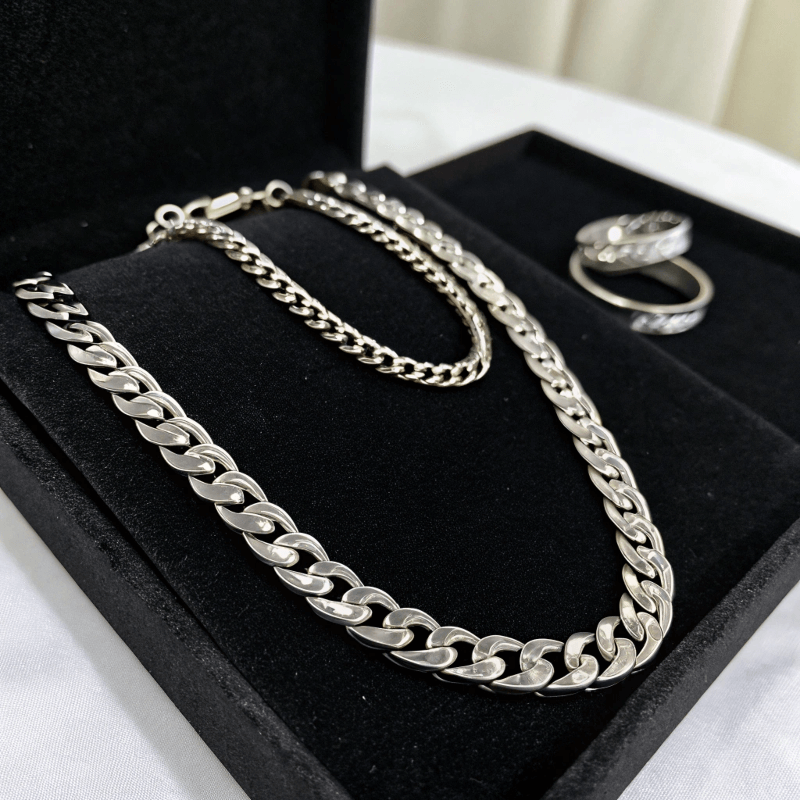
When it comes to choosing between titanium vs stainless steel jewelry, both materials offer distinct advantages, but which one is right for you? In this article, we’ll break down the differences, explore the benefits, and help you make an informed decision about which material suits your style, budget, and needs. Ready for the good part? Let’s dive right into it!

1. Understanding Titanium Jewelry
What exactly is titanium, and why is it so popular in jewelry making? Titanium is a lightweight, durable metal that’s widely known for its strength-to-weight ratio. Unlike many other metals used in jewelry, titanium is highly corrosion-resistant and hypoallergenic, making it an ideal choice for those with sensitive skin. But here’s the kicker: its lightweight nature doesn’t mean it’s fragile; in fact, titanium is stronger than steel by weight.
Titanium’s unique properties make it a standout choice for many types of jewelry, especially rings and bracelets. Its naturally sleek gray color can be polished to a beautiful matte or brushed finish, offering an industrial, modern aesthetic. And if you’re in the market for high-quality, durable jewelry that won’t tarnish, titanium is definitely worth considering.
Here’s a quick breakdown of the key benefits of titanium jewelry:
- Strength: Titanium is one of the strongest metals used in jewelry, making it a perfect choice for rings and bracelets that need to withstand daily wear.
- Lightweight: While titanium is strong, it is significantly lighter than steel, which makes it more comfortable for extended wear.
- Hypoallergenic: Titanium is naturally hypoallergenic, making it ideal for those with sensitive skin or allergies to other metals like nickel.
In addition to these benefits, titanium is often used for custom-made jewelry due to its ease of engraving and shaping. Many people are choosing titanium for wedding bands, engagement rings, and even body jewelry because of these attractive qualities.
2. Understanding Stainless Steel Jewelry
What makes stainless steel a top contender in the jewelry market? Stainless steel is an alloy primarily composed of iron, carbon, and chromium, which gives it its renowned strength and resistance to corrosion. Unlike titanium, stainless steel has a much denser feel and is typically heavier, offering a more substantial presence on the wrist or finger. But here’s the thing: while stainless steel is robust and versatile, it does require regular maintenance to preserve its shine and prevent tarnishing over time.
One of the major selling points of stainless steel jewelry is its affordability. This material offers a cost-effective alternative to precious metals like gold and platinum while maintaining a similar level of durability and a sleek, polished finish. Stainless steel’s versatility means it can easily take on various finishes, from brushed to mirror-like shine, and can be engraved with intricate designs.
Some of the key benefits of stainless steel jewelry include:
- Durability: Stainless steel is incredibly resistant to rust, tarnishing, and corrosion, making it ideal for everyday wear.
- Affordability: It’s much more budget-friendly compared to other metals like titanium, gold, or platinum, without compromising on strength or appearance.
- Variety of finishes: Stainless steel can be polished, brushed, or matte finished, allowing for a wide variety of aesthetic options to suit different tastes.
Though stainless steel jewelry can be slightly heavier than titanium, its combination of strength, style, and affordability makes it an appealing option for many consumers.
| Titanium Jewelry | Stainless Steel Jewelry |
|---|---|
| Lightweight | Heavier than titanium |
| Hypoallergenic | May cause allergic reactions in some |
| Expensive | More affordable |
| Resistant to corrosion | Can tarnish over time without care |
3. Durability Comparison: Titanium vs Stainless Steel
You might be wondering, which material lasts longer? While both titanium and stainless steel are durable, titanium has the edge in certain areas. Ready for the good part? Titanium is highly resistant to scratches, making it perfect for jewelry that will be worn every day. Unlike stainless steel, which can show scratches over time, titanium maintains its sleek appearance, even after years of use.
However, stainless steel is not to be underestimated. It’s incredibly strong and durable, especially for items that don’t experience constant abrasion. Stainless steel is a great choice for pieces that need a little more weight and presence, such as chunky bracelets or bold rings. The downside? Without proper care, stainless steel can tarnish or develop spots, particularly if exposed to moisture or harsh chemicals.
Here’s a quick breakdown of how both metals stack up against one another in terms of durability:
- Scratch Resistance: Titanium wins this one, as it’s much more resistant to scratching compared to stainless steel.
- Corrosion Resistance: Both metals are highly resistant to corrosion, but titanium has a slight edge in terms of overall longevity, especially in harsh environments.
- Tarnishing: Stainless steel can tarnish if not properly cared for, while titanium tends to maintain its appearance much longer.
| Material | Scratch Resistance | Corrosion Resistance | Tarnishing |
|---|---|---|---|
| Titanium | High | High | Low |
| Stainless Steel | Moderate | High | Moderate |
4. Comfort and Weight: Which is More Comfortable?
Comfort is a huge factor when choosing jewelry, and it’s one of the major differences between titanium vs stainless steel jewelry. Titanium’s lightweight nature makes it incredibly comfortable to wear, especially for those who are sensitive to the weight of metals. Whether it’s a ring or bracelet, titanium jewelry will feel almost weightless, even after wearing it all day.
On the other hand, stainless steel tends to be much heavier, which can be a concern for some people. If you prefer a more substantial feel in your jewelry, stainless steel might be the better option. But for those who like to forget they’re wearing jewelry altogether, titanium offers a level of comfort that’s hard to beat.
Another important consideration is how these materials react to heat. Titanium has a low thermal conductivity, meaning it won’t heat up or cool down quickly when exposed to temperature changes. Stainless steel, however, can be affected more by temperature, making it less comfortable to wear in extreme conditions.
| Material | Weight | Comfort | Thermal Conductivity |
|---|---|---|---|
| Titanium | Light | Very Comfortable | Low |
| Stainless Steel | Heavy | Moderate | High |
5. Aesthetic Appeal: Which Material Looks Better?
When it comes to looks, both materials have their unique charm. Titanium has a sleek, modern look with its natural gray finish that can be polished to a brushed or matte texture. This gives it a more industrial, contemporary vibe, which is perfect for those who prefer minimalist designs or bold, futuristic jewelry. But here’s the kicker: titanium also looks great in customized designs, whether it’s with inlays of other materials like wood or carbon fiber, or with intricate engravings.
Stainless steel, on the other hand, has a shiny, mirror-like finish that appeals to those who prefer a more polished, classic look. Its versatility in finish options—from brushed to high-polish—means it can be molded into almost any jewelry design, whether modern or vintage. It’s also easier to work with when it comes to complex designs and engravings, making it a great option for pieces that require a high level of detail.
In terms of aesthetic appeal, the choice between titanium and stainless steel will largely depend on your personal style and the type of jewelry you’re looking for.
| Material | Finish Options | Style | Customization |
|---|---|---|---|
| Titanium | Matte, Brushed, Polished | Sleek, Industrial | High, great for custom designs |
| Stainless Steel | Brushed, Polished, Mirror | Polished, Classic | Versatile, suitable for detailed designs |
6. Cost Comparison: Titanium vs Stainless Steel Jewelry
Price is always a key consideration, especially in B2B transactions where bulk purchasing is involved. Let’s talk about costs: titanium tends to be more expensive than stainless steel, mainly due to its material properties and the process required to manufacture it. Titanium’s resistance to corrosion and scratches, combined with its lightweight nature, make it a more premium option, but this comes at a higher price point.
Stainless steel, however, is much more affordable, making it an attractive option for businesses looking to keep costs low while still providing high-quality jewelry. Whether you’re buying for retail or manufacturing, stainless steel allows you to offer a broader range of styles without breaking the bank.
In a cost comparison table:
| Material | Cost | Affordability | Manufacturing Cost |
|---|---|---|---|
| Titanium | High | Premium | Expensive |
| Stainless Steel | Low | Budget-friendly | Affordable |
7. Allergic Reactions: Hypoallergenic Properties of Both Materials
Allergic reactions are a common concern for many individuals when choosing jewelry, especially for those who have sensitive skin. This is where titanium truly shines, offering a hypoallergenic solution for people who experience irritation from metals like nickel, which is often present in stainless steel. Titanium is naturally resistant to causing allergic reactions, making it a popular choice for people who are prone to contact dermatitis or other skin conditions. What’s the real story? Titanium’s properties make it one of the most skin-friendly metals available for jewelry.
On the other hand, while stainless steel is generally considered safe for most people, certain types of stainless steel (especially those containing nickel) can cause reactions in sensitive individuals. Stainless steel jewelry can sometimes cause redness, itching, or rashes for those with allergies to nickel or other metals. In fact, it’s often the nickel content in the alloy that causes the problem. Fortunately, many manufacturers now offer nickel-free stainless steel options, but it’s essential to check the product details before making a purchase.
Titanium’s hypoallergenic properties are a significant selling point, especially for businesses catering to customers with sensitive skin. If you’re in the jewelry industry and looking to offer hypoallergenic options, titanium is undoubtedly the best choice.
| Material | Hypoallergenic | Nickel Content | Skin Reactions |
|---|---|---|---|
| Titanium | Yes | None | Minimal |
| Stainless Steel | Moderate | Can contain nickel | Possible for sensitive skin |
8. Environmental Impact: Sustainability of Titanium vs Stainless Steel
With growing concern about the environmental impact of manufacturing processes, many consumers are becoming more conscious about the sustainability of the materials used in their jewelry. Let’s break it down: titanium is a naturally abundant element, and its extraction process is relatively low impact compared to other metals. However, titanium production still has an environmental footprint, particularly in the mining and refining stages. The good news? Titanium is fully recyclable, which means the material can be reused multiple times without a significant loss in quality. This makes it an eco-friendly choice for businesses aiming to reduce their environmental impact.
On the flip side, stainless steel has a somewhat better reputation when it comes to sustainability. Since stainless steel is highly recyclable—in fact, it’s one of the most recycled metals in the world—it’s seen as a more sustainable option than many other materials. The recycling process for stainless steel is energy-efficient, and using recycled stainless steel helps reduce the demand for virgin materials. However, its production still generates some greenhouse gas emissions, especially in the mining of iron ore and chromium, which are key components of the alloy.
If environmental impact is a key concern for your business, you can consider offering both titanium and stainless steel jewelry, depending on customer preferences. Both materials have recyclable qualities, but stainless steel stands out as the more widely recycled metal, making it a more sustainable option overall.
| Material | Recyclability | Environmental Footprint | Sustainability |
|---|---|---|---|
| Titanium | High | Moderate | Eco-friendly |
| Stainless Steel | Very High | Moderate | Sustainable |
9. Maintenance and Care: How to Keep Your Jewelry in Top Shape
When choosing between titanium vs stainless steel jewelry, one important factor to consider is the maintenance required to keep your pieces looking pristine. Titanium is relatively low maintenance and doesn’t tarnish easily, but it still benefits from occasional cleaning to keep its shine. A simple wipe with a soft cloth and a mild detergent solution will generally suffice. What’s the real story? Because titanium is highly resistant to corrosion, it doesn’t require the same level of care that other metals like silver or gold might need.
Stainless steel, while also relatively easy to care for, does require a bit more attention, especially if it’s exposed to harsh chemicals or moisture over time. Regular cleaning with a soft cloth will help maintain its shiny appearance, but over time, it may develop spots or tarnish, especially if it contains nickel. To prevent tarnishing, stainless steel jewelry should be cleaned regularly and stored in a dry, cool place when not in use.
The good news is that both titanium and stainless steel are resistant to rust and can hold up well against the elements. Still, ensuring the longevity of your jewelry means providing it with a little bit of attention now and then. The key takeaway? While titanium is easier to maintain and doesn’t tarnish, stainless steel jewelry requires slightly more care to maintain its appearance.
| Material | Maintenance | Tarnishing | Cleaning Method |
|---|---|---|---|
| Titanium | Low | Rare | Soft cloth and mild detergent |
| Stainless Steel | Moderate | Common | Regular cleaning with soft cloth |
10. Popular Jewelry Types Made from Titanium
If you’re considering titanium for your jewelry line, you’re in good company. Titanium jewelry is popular for its unique aesthetic and functional properties. Wedding bands, engagement rings, and custom-made pieces are especially sought after for their strength and sleek appearance. Titanium is also a popular choice for body jewelry, including piercings, due to its hypoallergenic properties and lightweight nature.
Here’s a breakdown of popular titanium jewelry types:
- Wedding Bands: Titanium rings are durable, lightweight, and resistant to corrosion, making them an excellent option for wedding bands that need to withstand daily wear.
- Engagement Rings: Titanium’s ability to be polished to a high sheen and its overall strength makes it a great choice for engagement rings that will last a lifetime.
- Custom Jewelry: Because titanium can be easily engraved, it’s often used for custom-made pieces with intricate designs.
- Body Jewelry: Thanks to its hypoallergenic properties, titanium is a top choice for body piercings and implants.
If you’re in the jewelry business, offering titanium jewelry is an excellent way to stand out. Not only does it offer high durability and an industrial aesthetic, but it also appeals to customers looking for a low-maintenance and hypoallergenic option.
| Titanium Jewelry Types | Popular Use | Benefits |
|---|---|---|
| Wedding Bands | Durable, sleek | Lightweight, corrosion-resistant |
| Engagement Rings | Elegant, strong | Hypoallergenic, long-lasting |
| Body Jewelry | Piercings, implants | Hypoallergenic, safe for sensitive skin |
11. Popular Jewelry Types Made from Stainless Steel
Stainless steel is one of the most versatile metals used in jewelry making today. Its affordability, strength, and wide variety of finishes make it a go-to choice for many different types of jewelry. Stainless steel is commonly used in rings, bracelets, and necklaces, especially for designs that require a substantial presence and durability.
Popular jewelry types made from stainless steel include:
- Rings: Stainless steel rings are popular for both men and women due to their polished finish and durability. These rings are ideal for everyday wear, and they often come in a variety of designs, from simple bands to more intricate styles.
- Bracelets: Stainless steel bracelets, often paired with leather or rubber, are trendy accessories that can be worn casually or in a more formal setting. Their polished, shiny finish makes them versatile for many looks.
- Necklaces: Stainless steel necklaces are great for both men and women. They can range from sleek chains to bold, chunky designs.
- Earrings: Stainless steel earrings come in a variety of shapes and sizes and are resistant to rust, making them great for both everyday and occasional wear.
If you’re looking to expand your jewelry collection or business, stainless steel provides a great balance between affordability and durability while offering plenty of aesthetic options.
| Stainless Steel Jewelry Types | Popular Use | Benefits |
|---|---|---|
| Rings | Daily wear | Polished, durable |
| Bracelets | Casual or formal | Stylish, resistant to rust |
| Necklaces | Sleek or chunky designs | Versatile, strong |
| Earrings | Daily wear | Rust-resistant, durable |
12. Which Material is Right for You?
Now that we’ve discussed the advantages and disadvantages of both titanium and stainless steel jewelry, it’s time to figure out which material is right for you. Here’s the deal: choosing the right material depends on your budget, desired style, and personal preferences.
If you’re looking for a lightweight, hypoallergenic option with a modern aesthetic, titanium may be the way to go. It’s perfect for those who want a sleek, durable material that stands up to daily wear without causing any discomfort.
On the other hand, if you prefer something that is affordable, stylish, and offers a polished finish, stainless steel may be the better choice. It’s especially ideal for those who like to change up their jewelry frequently or are looking for budget-friendly options without sacrificing quality.
In the end, both materials offer impressive durability and aesthetic appeal. The key to making the right choice lies in determining your specific needs, preferences, and budget.
13. Expert Opinions: What Jewelers Say About Titanium and Stainless Steel
According to leading jewelers, titanium is often recommended for people looking for long-lasting, lightweight jewelry. Jewelers appreciate titanium’s strength, which allows for the creation of thin yet durable pieces. Experts also note that titanium’s hypoallergenic properties make it perfect for people with sensitive skin, especially for wedding bands and engagement rings.
Meanwhile, stainless steel is often praised for its affordability and versatility. Jewelers commonly use stainless steel for bulk manufacturing and mass production due to its lower cost compared to precious metals. Stainless steel is ideal for creating fashion-forward designs, from chunky bracelets to minimalist rings.
In conclusion, while titanium is seen as a premium option, stainless steel offers great value for its price and is often a preferred choice for those looking to keep costs low while still getting a high-quality piece.
| Expert Opinion | Titanium | Stainless Steel |
|---|---|---|
| Durability | High | Moderate |
| Weight | Light | Heavy |
| Price | Premium | Budget-friendly |
| Ideal for | Hypoallergenic jewelry | Mass production |
14. Conclusion
To wrap things up, both titanium and stainless steel offer unique benefits depending on what you’re looking for in jewelry. If you value lightweight, hypoallergenic, and modern pieces, titanium is the material of choice. On the other hand, if you want something affordable, durable, and versatile, stainless steel is the perfect option.
As a business, offering both materials in your collection could provide a well-rounded range for your customers. Whether you’re creating custom titanium rings or stainless steel necklaces, the key is understanding the specific needs and preferences of your market. Both materials have their strengths, and with the right marketing, you can cater to a diverse customer base.
FAQ Section
Q1: What is the difference between titanium and stainless steel jewelry?
Titanium is lightweight, hypoallergenic, and resistant to scratches, while stainless steel is heavier, more affordable, and requires regular maintenance to prevent tarnishing.
Q2: How does the price of titanium compare to stainless steel?
Titanium is generally more expensive due to its unique properties and the production process, while stainless steel is more budget-friendly.
Q3: Is titanium jewelry a good choice for sensitive skin?
Yes, titanium is hypoallergenic and ideal for those with sensitive skin, as it doesn’t cause irritation like some other metals.
Q4: Which material is more durable, titanium or stainless steel?
Titanium is more resistant to scratches, while both materials are durable. Stainless steel is more likely to tarnish over time without proper care.
Q5: Can I wear titanium or stainless steel jewelry in the shower?
Yes, both titanium and stainless steel are water-resistant, but it’s still recommended to avoid exposing jewelry to harsh chemicals to maintain its appearance.